

Passive explosion protection systems are engineered to respond automatically to dangerous pressure or flame conditions without power, sensors, or human intervention. On vcplin.com, Ventil Components offers a complete ecosystem of mechanical, fail-safe protection devices that together form a robust passive explosion safety strategy.
Ventil Components specializes in engineered passive explosion protection solutions compliant with NFPA, ATEX, and EN standards.
Below is how each product functions within a passive explosion protection system — and where it is typically used.
Flame Arresters - Passive Flame Propagation Control
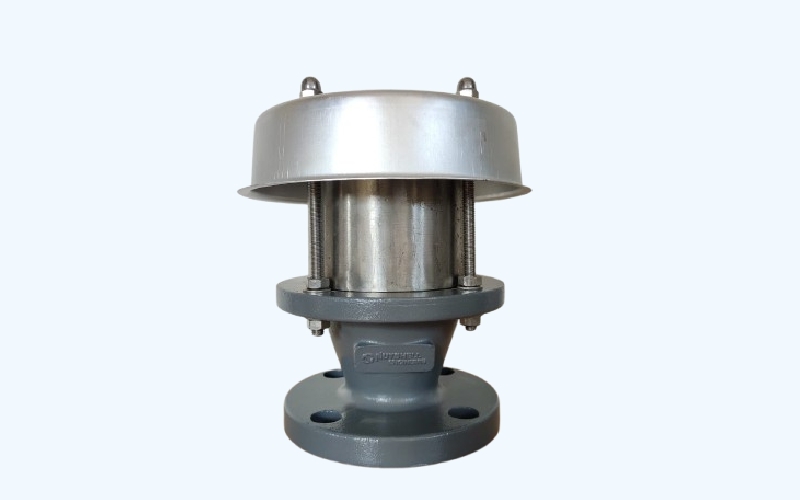
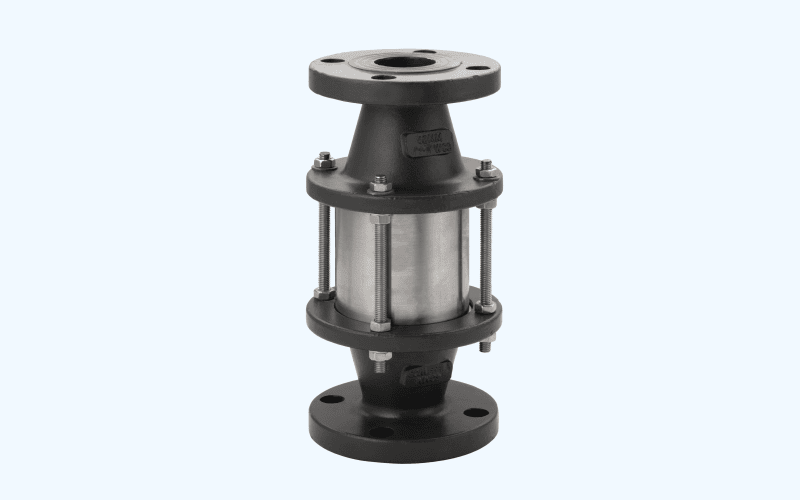
Role in Passive Explosion Protection:
Flame arresters prevent flame and ignition transfer through pipelines, vents, or openings by absorbing heat from the flame front, stopping it from propagating further.
Why They Are Passive:
- No electronics or moving parts
- Operate purely on thermal and geometric principles
- Always active, even during total power failure
Where Used:
- Tank vent lines
- Gas pipelines
- Vapor recovery systems
- Reactors, storage tanks, compressors
Industries:
Chemical, petrochemical, oil & gas, pharma, solvent handling
Explosion Venting - Controlled Pressure Relief
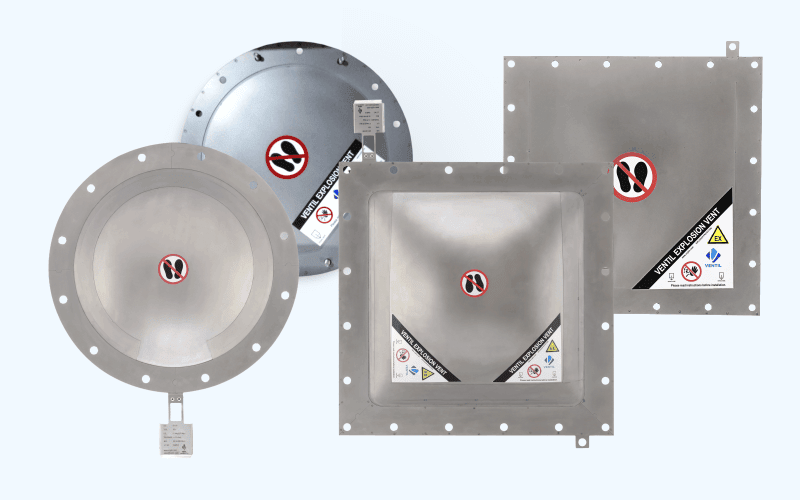
Role in Passive Explosion Protection:
Explosion vents are sacrificial safety devices that rupture at a calibrated pressure, safely releasing explosion energy before equipment fails.
Why They Are Passive:
- Pressure-activated only
- No sensors, actuators, or control systems
- Instant mechanical response
Where Used:
- Dust collectors
- Cyclones
- Silos
- Filters, mills, and enclosed process vessels
Industries:
Food processing, pharmaceuticals, chemicals, woodworking, biomass
Flameless Venting - Indoor Passive Explosion Protection
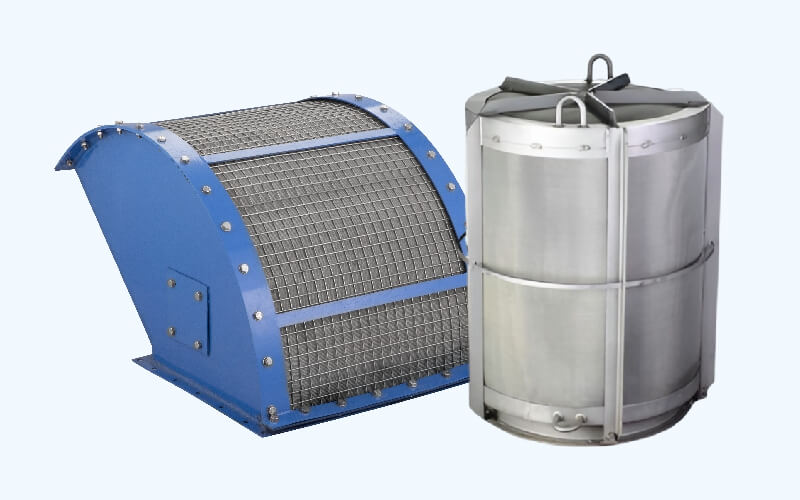
Role in Passive Explosion Protection:
Flameless venting systems combine explosion venting + flame quenching, allowing safe pressure relief without flame discharge into occupied indoor spaces.
Why They Are Passive:
- Explosion Vent panels opens mechanically
- Integrated flame-arresting mesh quenches flame without chemicals or power
Where Used:
- Indoor dust collectors
- Enclosed conveyors
- Mills and filters located inside buildings
Industries:
Food, pharma, chemical, metal processing, bulk solids handling
Rupture Discs — Precision Overpressure Protection

Role in Passive Explosion Protection:
Rupture discs burst instantly at a predefined pressure, protecting vessels and pipelines from overpressure caused by explosions, runaway reactions, or blockages.
Why They Are Passive:
- One-time mechanical activation
- No moving parts
- Zero response delay
Where Used:
- Pressure vessels
- Reactors
- Heat exchangers
- High-pressure pipelines
Industries:
Chemical processing, oil & gas, pharma, power generation
Emergency Vents - Structural Overpressure Relief
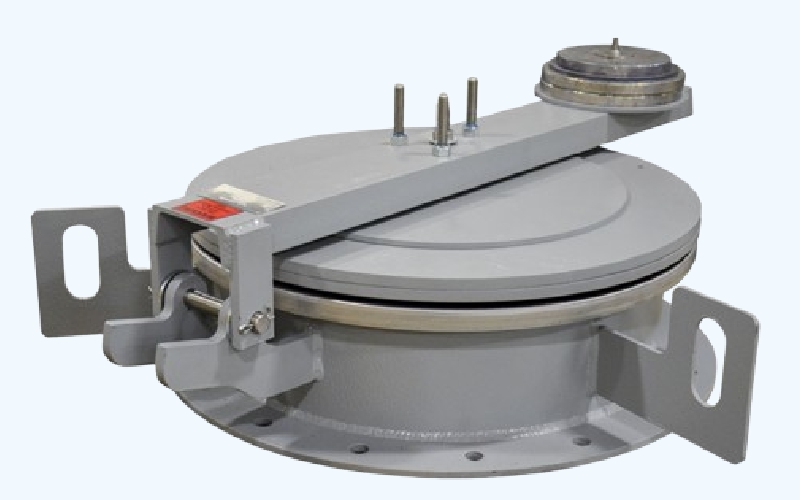
Role in Passive Explosion Protection:
Emergency vents are large-area pressure relief devices designed to rapidly relieve abnormal overpressure or vacuum conditions, including explosion scenarios.
Why They Are Passive:
- Opens mechanically due to pressure differential
- No instrumentation or power required
- Often spring-loaded or weight-loaded designs
Where Used:
- Storage tanks
- Large storage vessels
- Low-pressure enclosures
- Dust collectors requiring emergency relief
Industries:
Bulk storage, chemical plants, food processing, material handling
Key Safety Benefit:
Prevents structural collapse or rupture during sudden pressure excursions.
Explosion Isolation Valves — Passive Explosion Containment
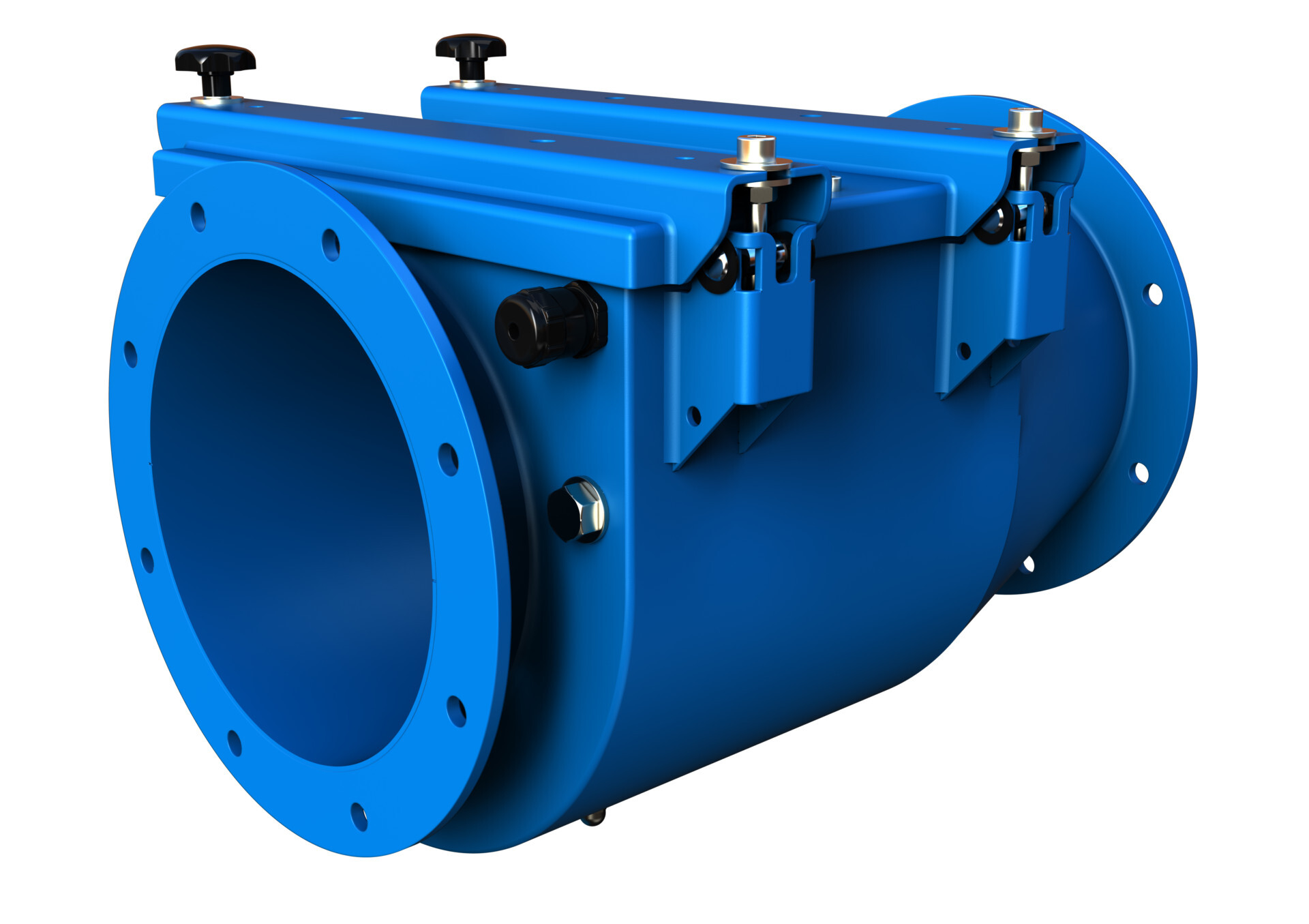
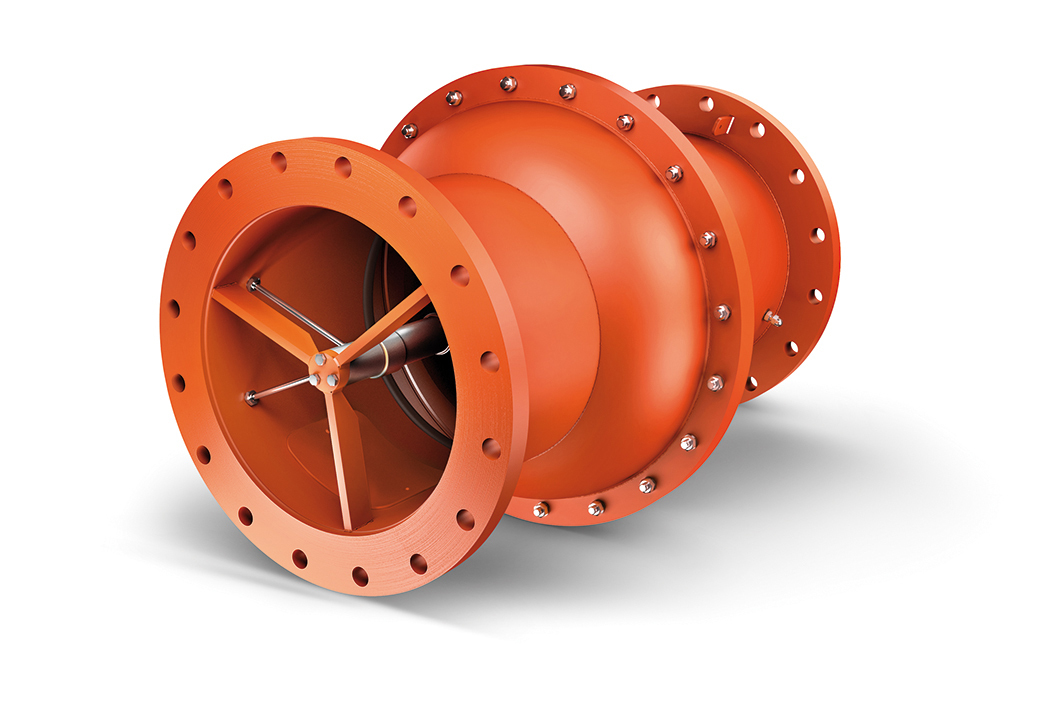
Role in Passive Explosion Protection:
Explosion isolation valves prevent an explosion from propagating from one piece of equipment to another via ducts or pipelines.
Why They Are Passive:
- Activated solely by explosion pressure or flow reversal
- Mechanical closure within milliseconds
- No sensors, no control panels
Where Used:
- Ducting between dust collectors and process equipment
- Pneumatic conveying lines
- Filter outlets and inlets
Industries:
Dust-handling industries - food, pharma, wood, chemicals, biomass
Key Function:
- Contains explosion to its point of origin
- Protects upstream and downstream equipment
| Product | Passive Function | Primary Protection |
|---|---|---|
| Flame Arrester | Quenches flame | Stops ignition propagation |
| Explosion Vent | Releases pressure | Prevents vessel rupture |
| Flameless Vent | Pressure + flame control | Safe indoor explosion relief |
| Rupture Disc | Instant pressure relief | Protects pressurized systems |
| Emergency Vent | Structural pressure relief | Prevents collapse or failure |
| Explosion Isolation Valve | Mechanical isolation | Stops explosion spread |
✅ Why Passive Explosion Protection Is Industry-Preferred
Final Engineering Perspective
Passive explosion protection systems are not optional safeguards; they are foundational safety layers in modern industrial plant design. As part of a comprehensive industrial explosion protection strategy, integrating flame arresters, explosion vents, flameless venting, rupture discs, emergency vents, and explosion isolation valves allows industries to achieve fail-safe protection that works when everything else fails.
Ventil provides a complete range of passive explosion protection products for industrial explosion protection.
Frequently Asked Questions on Passive Explosion Protection
A passive explosion protection system uses mechanical safety devices such as explosion vents, flameless venting systems, rupture discs, flame arresters, emergency vents, and explosion isolation valves to control explosions without power, sensors, or human intervention.
Flameless explosion venting relieves explosion pressure while quenching flames using an integrated flame-arresting element. This allows safe pressure discharge inside buildings without flame propagation, making it ideal for indoor dust collectors and enclosed conveyors.
Explosion vents are primarily used for combustible dust explosion protection in low-pressure equipment such as dust collectors, silos, and filters, while rupture discs are better suited for precise overpressure protection in pressurized vessels and pipelines.
Explosion isolation valves prevent flame and pressure from propagating through ducts or pipelines by mechanically closing when exposed to explosion pressure or flow reversal, containing the explosion at its source.
systems are widely recognized under global safety standards such as NFPA 68 and 69, ATEX directivesYes. Passive explosion protection , EN standards, and ISO guidelines, making them suitable for regulated industrial environments.
Passive systems are preferred because they are always active, require no power or electronics, respond in milliseconds, and remain effective even during total power failure or system malfunction.


